Modern construction has changed a lot in the last decade. It is no longer just about bricks, cement, and manual labor. Today’s construction industry depends on advanced machinery, engineered materials, and smart planning systems that improve speed, safety, and long-term durability. From skyscrapers to highways, every project relies on the right combination of equipment and materials to get the job done efficiently.
This guide breaks down the essential modern construction equipment and materials you need to understand today’s building industry.
1. Evolution of Modern Construction
Construction has shifted into a technology-driven industry. Automation, data systems, and sustainable building practices now play a major role in how projects are designed and executed. Equipment is more intelligent, and materials are stronger, lighter, and more environmentally friendly than ever before.
At the same time, global construction continues to grow rapidly, making material selection and equipment efficiency more important for cost control and project success.
2. Key Types of Modern Construction Equipment
Construction equipment is the backbone of any building project. It improves efficiency, reduces manual labor, and ensures precision in execution.
2.1 Earthmoving Equipment
These machines prepare the site before construction begins.
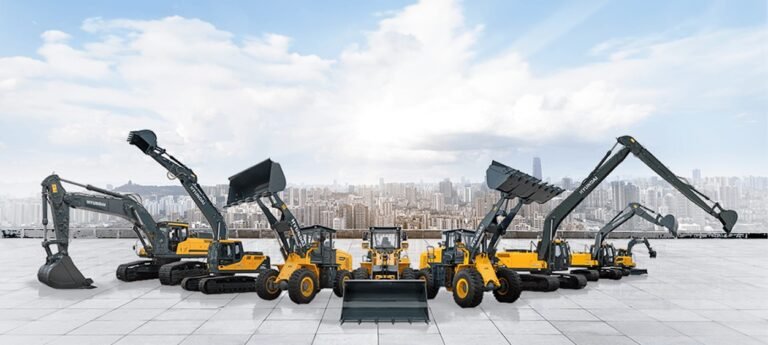
- Excavators for digging foundations and trenches
- Bulldozers for clearing and leveling land
- Wheel loaders for moving soil, gravel, and debris
- Backhoe loaders for multi-purpose digging and loading tasks
These machines are essential for early-stage site preparation and heavy lifting operations.
2.2 Material Handling Equipment
Used to lift, move, and position heavy materials safely.
- Tower cranes for high-rise construction
- Forklifts for warehouse and site logistics
- Telehandlers for flexible lifting
- Conveyor systems for continuous material movement
These tools are critical for productivity on large construction sites.
2.3 Construction Vehicles
These machines transport materials across and between sites.
- Dump trucks for soil and debris transport
- Concrete mixer trucks for ready-mix delivery
- Water tankers for dust control and curing
- Fuel tankers for site operations
They help keep construction continuous without delays.
2.4 Road Construction Equipment
Used specifically for infrastructure and highway projects.
- Asphalt pavers for smooth road surfaces
- Road rollers for compaction
- Milling machines for surface removal
- Stabilizers for soil strengthening
These machines ensure durability and precision in road building.
2.5 Smart and Modern Equipment Trends
Construction equipment is now becoming smarter and more efficient:
- GPS-based machine control systems
- AI-powered safety monitoring cameras
- Electric and hybrid machines for lower emissions
- Telematics systems for real-time tracking
These innovations improve productivity and reduce operational costs.
3. Core Modern Construction Materials
Materials define the strength, safety, and lifespan of any structure. Modern construction uses both traditional and advanced engineered materials.
3.1 Concrete and Cement Products
Concrete remains the most widely used construction material in the world.
- Standard reinforced concrete for buildings and foundations
- High-strength concrete for bridges and towers
- Precast concrete components for faster construction
- Self-healing concrete for reduced maintenance needs
Concrete is valued for durability, fire resistance, and versatility.
3.2 Steel and Metal Materials
Steel is the backbone of modern structural engineering.
- Structural steel beams for high-rise buildings
- Reinforcement bars (rebar) for concrete strengthening
- Aluminum for lightweight frameworks
- Copper for electrical systems
Steel offers high tensile strength and flexibility in design.
3.3 Wood and Engineered Timber
Wood is now used in more advanced ways than ever.
- Cross-laminated timber (CLT) for eco-friendly buildings
- Laminated veneer lumber (LVL) for structural strength
- Treated timber for durability and pest resistance
Engineered wood is becoming popular in sustainable construction.
3.4 Masonry Materials
Traditional but still widely used.
- Bricks for walls and partitions
- Blocks for structural walls
- Natural stone for aesthetics and durability
These materials are cost-effective and long-lasting.
3.5 Glass and Modern Glazing
Glass is no longer just decorative.
- Tempered glass for safety
- Insulated glass units for energy efficiency
- Smart glass that adjusts transparency
- Laminated glass for security
Used widely in modern architecture and commercial buildings.
3.6 Insulation Materials
Insulation is essential for energy-efficient buildings.
- Fiberglass insulation
- Foam boards
- Mineral wool
- Reflective insulation materials
These help reduce energy consumption and improve comfort.
3.7 Composite and Green Materials
The future of construction is sustainable.
- Recycled plastic bricks
- Fiber-reinforced polymers
- Eco-friendly concrete alternatives
- Low-carbon cement solutions
These materials reduce environmental impact while maintaining performance.
4. Importance of Material Selection
Choosing the right material affects:
- Structural safety
- Project cost
- Maintenance requirements
- Energy efficiency
- Environmental impact
Poor material selection can lead to structural failure, higher costs, and long-term issues. That is why modern construction emphasizes testing and certification before use.
5. Role of Technology in Construction
Technology is transforming both materials and equipment:
- BIM (Building Information Modeling) improves design accuracy
- Drones help with surveying and site monitoring
- 3D printing allows rapid prototyping of building components
- AI systems improve safety and project management
These tools help reduce errors and improve decision-making on site.
6. Future of Construction Industry
The future is moving toward:
- Fully electric construction fleets
- Smart, self-repairing materials
- Modular and prefabricated construction
- AI-managed construction sites
- Carbon-neutral building practices
Construction is becoming faster, cleaner, and more efficient every year.
Conclusion
Modern construction is a combination of advanced equipment, engineered materials, and digital technology. From earthmoving machines to smart concrete, every component plays a role in shaping safe, durable, and efficient structures.
Understanding these tools and materials is essential for anyone involved in construction, engineering, or infrastructure development.